

Mastering Forex Trading: A Comprehensive Guide for Beginners
Forex trading, or foreign exchange trading, is one of the most popular forms of trading in the world. It involves buying and selling currencies in the global marketplace to profit from fluctuations in exchange rates. As a beginner, entering the forex market may seem daunting, but with the right understanding and tools, you can navigate this complex but rewarding field. For a solid foundation, forex trading acev.io provides great resources that can enhance your trading experience.
Understanding the Basics of Forex Trading
Before diving into the specific strategies and tools of forex trading, it’s crucial to grasp the basic concepts. The forex market is open 24 hours a day, five days a week, allowing traders to participate at any time. The market is decentralized, meaning that trading occurs over-the-counter (OTC), without a central exchange.
Currency pairs are at the heart of forex trading. A currency pair consists of two currencies: the base currency and the quote currency. For instance, in the pair EUR/USD, the Euro is the base currency, and the US Dollar is the quote currency. Traders buy and sell these pairs based on their predictions of how one currency will perform against another.
The Importance of a Trading Plan
One of the secrets to successful trading is having a well-defined trading plan. Your trading plan should outline your goals, risk tolerance, and the specific strategies you will employ. It should also include your money management rules, which are essential for protecting your capital.
A good trading plan should address:
- Your trading objectives: Determine what you want to achieve — whether it’s making a consistent profit or learning the ropes of trading.
- Your risk management strategy: Set limits on how much you are willing to lose on each trade.
- The trading strategies you will use: Decide whether you will be a day trader, swing trader, or position trader.
- Your evaluation process: Set rules for reviewing your trades and the performance of your trading strategy.
Choosing the Right Trading Platform
The choice of a trading platform significantly impacts your trading experience. Look for a platform that offers a user-friendly interface, comprehensive charting tools, and access to relevant market news. Many platforms also provide demo accounts, which allow you to practice trading without risking real money.
Additionally, consider the broker’s reputation, regulation, customer service, and the fees associated with trading on their platform. It’s important to select a broker that aligns with your trading style and needs.
Key Trading Strategies for Beginners
As a newcomer to forex trading, it’s wise to familiarize yourself with some fundamental trading strategies. Here are a few to consider:
1. Scalping
Scalping involves making numerous trades throughout the day to capture small price movements. This strategy requires quick decision-making and a good understanding of price actions.
2. Day Trading
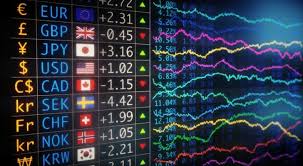
Day trading involves entering and exiting positions within the same trading day. Day traders focus on short-term price movements and often rely on technical analysis to make informed trades.
3. Swing Trading
Swing trading is a strategy where traders hold positions for several days or weeks to capture medium-term trends. This approach requires less time and attention than day trading and often involves using both technical and fundamental analysis.
Mastering Technical Analysis
Technical analysis is the study of price movements and trading volume through charts and indicators. By analyzing historical data, traders can identify patterns and make predictions about future price movements. Key tools and indicators used in technical analysis include:
- Moving Averages: Help smooth out price data and identify trends.
- Relative Strength Index (RSI): Measures market momentum to identify overbought or oversold conditions.
- Bollinger Bands: Indicate volatility and potential price reversals.
- Fibonacci Retracement: Used to identify potential levels of support and resistance.
Fundamental Analysis in Forex Trading
While technical analysis focuses on price movements, fundamental analysis considers economic indicators that may influence currency values. Key factors include interest rates, inflation, employment rates, and geopolitical events.
By understanding the economic landscape, traders can predict how certain news events may impact currency prices. Staying updated with economic news and reports is crucial for making informed trading decisions.
Managing Your Emotions in Trading
Forex trading can be an emotional rollercoaster. Fear and greed can significantly impact your trading decisions, often leading to costly mistakes. To succeed, you must learn to manage your emotions and stick to your trading plan. Here are some tips:
- Set clear entry and exit points for each trade.
- Stay disciplined — don’t deviate from your trading plan.
- Accept losses as a part of trading and avoid “chasing” trades to make up for losses.
- Take breaks to clear your mind and reevaluate your strategy when feeling overwhelmed.
Continuous Learning and Improvement
The forex market is constantly evolving, and so should you as a trader. Dedicate time to ongoing education by reading books, attending webinars, and taking courses. Analyze your trades regularly to learn from your successes and mistakes.
Joining trading communities can also provide valuable insights and support from other traders. Engaging with others can foster a richer understanding of market dynamics and new trading strategies.
Conclusion
Mastering forex trading is a journey that involves patience, practice, and continuous learning. By understanding the fundamentals, developing a trading plan, and honing your analytical skills, you can navigate the complexities of the forex market and work towards achieving consistent profitability. Remember to stay disciplined, manage your risks, and always be open to learning as you progress in your trading journey.